

 Serving the Bay Area & Northern California for over 35 Years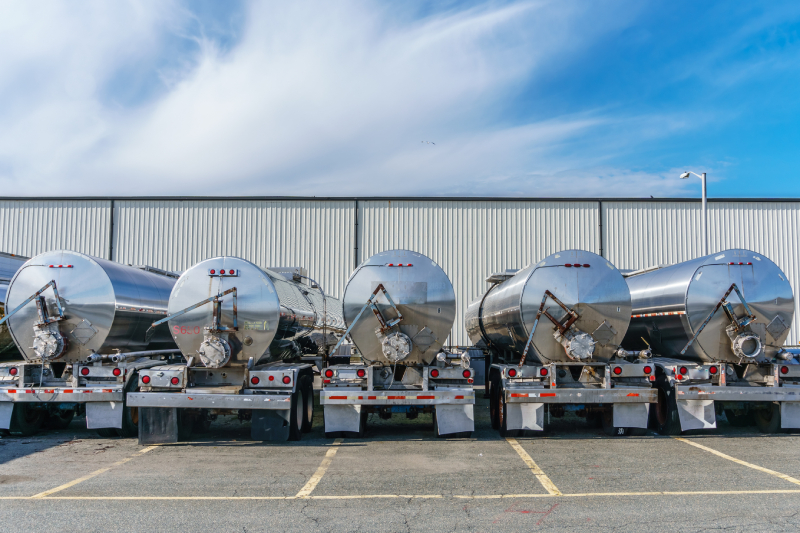
Don’t Forget Tank Repairs, Especially with Hazardous Cargo
Transporting liquids by road involves much more than putting a tank on a trailer and filling it. Depending on the material being transported, the size and configuration of the tank, and whether the material is classified as hazardous, trucking companies and drivers may be subject to specific licensing, equipment, inspection and safety requirements.
Understanding these requirements is also important for companies responsible for maintaining tanker trucks, liquid storage tanks and other bulk transportation equipment. Proper tank repairs and maintenance can help keep tanks suitable for their intended application and reduce the risk of leaks, corrosion and premature failure.
When Does a Tanker Require a Special CDL Endorsement?
Federal regulations establish specific CDL endorsements for drivers operating certain commercial motor vehicles. The N endorsement is used for tank vehicles, while the H endorsement applies to certain vehicles transporting hazardous materials. Drivers transporting hazardous materials in qualifying tank vehicles may need an X endorsement, which combines the tank vehicle and hazardous materials qualifications.
A tank vehicle can include vehicles transporting liquids or gases even when the material itself is not hazardous. FMCSA generally defines a qualifying tank vehicle based on tank capacity and configuration, including tanks with an individual rated capacity exceeding 119 gallons and an aggregate capacity of at least 1,000 gallons under the applicable CDL rules.
This means that the requirements are not limited to chemical tankers. Trucks transporting water, fuel, industrial liquids and other bulk materials can potentially fall under tank-vehicle requirements depending on the vehicle and tank configuration.
Transporting Chemicals Requires Additional Considerations
Hazardous materials introduce another layer of regulatory requirements. Certain hazardous materials shipments require drivers to have the appropriate hazardous materials endorsement, while some materials and quantities can trigger additional requirements such as placarding or an FMCSA Hazardous Materials Safety Permit.
The tank itself is also important. Hazardous materials transported in bulk may need to use an appropriate cargo tank or other authorized packaging that meets applicable Department of Transportation requirements. Certain cargo tanks are subject to specific construction, inspection and testing requirements.
What About Tanks Towed on Trailers?
Liquid storage tanks that are transported on trailers can present different regulatory questions depending on their construction, capacity and how they are attached to the vehicle. A tank temporarily attached to a commercial vehicle may still cause the vehicle to meet the federal definition of a tank vehicle. However, not every tank transported on a trailer is automatically classified the same way. The regulatory classification can depend on whether it is a cargo tank, portable tank, storage container or another type of packaging.
For companies moving tanks between locations, understanding the distinction is important before transporting liquids or hazardous materials.
Maintaining Tanks for Safe, Reliable Service
Whether a tank is used for water, chemicals or another industrial application, deterioration can eventually affect its serviceability. Corrosion, cracking, leaks and damage to interior surfaces may require professional evaluation and tank repairs.
In applications where corrosion resistance is especially important, fiberglass tank lining can provide a protective barrier between the tank substrate and the stored material. Properly selected and installed fiberglass linings can help extend the useful life of tanks while protecting the underlying structure from aggressive environments.
Picon FRP, Inc. Water Tank Repairs
Picon FRP, Inc. provides expertise in water tank repairs, fiberglass tank lining and tank repairs for industrial and commercial applications. When a tank begins showing signs of deterioration, addressing the problem early can help prevent a relatively manageable repair from becoming a much larger replacement project.
Proper transportation, appropriate certifications and ongoing tank maintenance all play important roles in keeping liquid storage and transportation systems safe and dependable.
You must be logged in to post a comment.