

 Serving the Bay Area & Northern California for over 35 Years
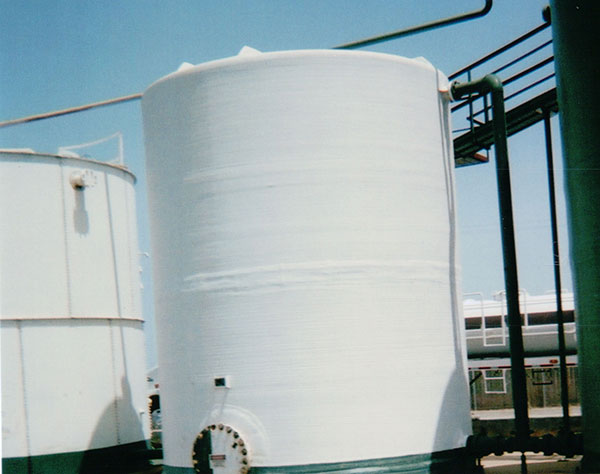
Steel storage tanks are widely used in industrial facilities, commercial properties, water treatment plants, and fire suppression systems. Although steel is strong and durable, prolonged exposure to moisture, chemicals, and environmental conditions can eventually cause corrosion. Over time, corrosion can weaken tank walls, create leaks, and compromise the tank’s ability to safely store liquids. Fortunately, replacing an entire steel tank is not always necessary. In many situations, fiberglass reinforced plastic (FRP) provides an effective solution for restoring and extending the service life of an existing tank.
Through professional FRP tank repair, deteriorating steel tanks can often be reinforced and protected using specialized fiberglass systems designed to create a durable, corrosion-resistant barrier.
How FRP Can Repair and Protect Corroded Steel Tanks
Fiberglass reinforced plastic is a composite material made from layers of fiberglass reinforcement combined with specialized resin systems. When properly engineered and installed, FRP creates a strong, protective structure that resists moisture, corrosion, and many chemicals.
One common application involves installing an FRP tank liner inside an existing steel tank. Before installation, technicians assess the tank’s condition, including the extent of corrosion, remaining steel thickness, structural integrity, and the presence of leaks or damaged areas.
Depending on the tank’s condition, the repair process may include:
- Surface Preparation: Corroded steel surfaces are cleaned and prepared to provide a suitable bonding surface for the FRP system. This may involve abrasive blasting and removal of loose corrosion, coatings, and contaminants.
- Steel Repairs: Severely deteriorated sections may require reinforcement, patching, or replacement before the FRP system is installed.
- Fiberglass Application: Multiple layers of fiberglass reinforcement and compatible resin are applied to create a continuous protective barrier.
- Curing and Inspection: The installed system is allowed to cure before technicians perform appropriate inspections and quality checks to verify the integrity of the finished liner.
A properly designed FRP system can help prevent stored liquids from contacting the underlying steel, slowing further corrosion and extending the useful life of the tank.
How Long Does an FRP Tank Liner Last?
The service life of an FRP tank liner depends on several factors, including the quality of the materials, installation procedures, operating temperatures, chemical exposure, and maintenance practices.
When properly engineered for the application and professionally installed, an FRP lining system can provide many years of additional service. In some applications, a well-maintained system may last for decades. However, no universal lifespan applies to every tank or operating environment.
Regular inspections are important for identifying surface damage, delamination, blistering, or other signs of deterioration before they become larger problems. Periodic maintenance and timely FRP tank liner repair can help preserve the protective barrier and maximize its service life.
Repair or Replace? Important Considerations
Determining whether to repair a corroded steel tank or replace it entirely requires evaluating several factors.
Tank Structural Condition: If the steel shell remains structurally sound, installing an FRP liner may be a practical alternative to replacement. However, extensive structural deterioration may require significant steel repairs or complete replacement.
Tank Contents: The stored liquid must be compatible with the selected resin and fiberglass materials. Chemical concentration, temperature, and operating conditions all influence material selection.
Project Costs: Replacing a large industrial tank can involve substantial equipment, demolition, transportation, installation, and downtime expenses. FRP tank repair may reduce these costs by allowing the existing structure to remain in service.
Long-Term Performance: Property owners should consider expected service life, inspection requirements, maintenance costs, and future operating conditions when comparing repair and replacement options.
Professional FRP Tank Liner Repair from Picon FRP, Inc.
Picon FRP, Inc. specializes in fiberglass tank lining, repairs, and protective FRP systems for industrial and commercial applications. Whether addressing localized corrosion, installing a new FRP tank liner, or evaluating an existing lining that requires repair, selecting the right approach is essential for long-term performance. An experienced FRP contractor can assess the condition of your tank, recommend appropriate materials, and determine whether restoration or replacement offers the best value. With proper engineering, installation, and maintenance, FRP solutions can help extend tank service life while protecting valuable infrastructure and reducing the expense of premature tank replacement.
You must be logged in to post a comment.