

 Serving the Bay Area & Northern California for over 35 Years
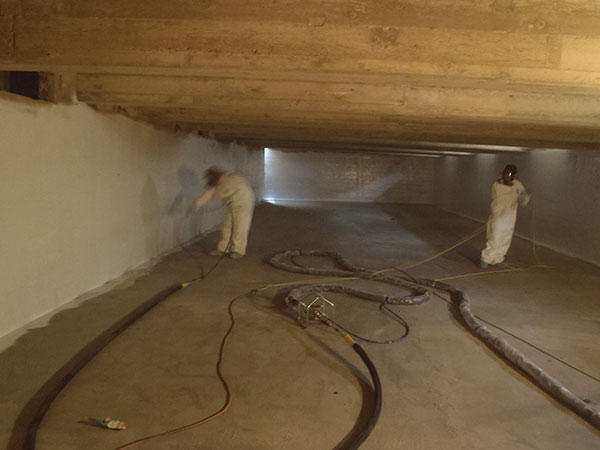
Fiber-reinforced composites for tank linings are gaining widespread popularity these days, as more and more people discover their inherent strength, resistance to corrosion, and tolerance of high temperatures. New composites are being developed which increase the already considerable beneficial properties offered by fiber-reinforced plastics (FRP), and similar composites. As a result, these materials are beginning to be used in a number of applications which were once dominated by metals and alloys, especially since the fiber-reinforced tank repair products tend to be considerably less expensive than metals are.
Benefits of FRP Tank Lining Repairs
There is a high demand globally for products which are extremely tough and able to withstand severe weather, as well as providing a great deal of strength. The same applications frequently call for materials which are highly resistant to corrosion, because normal weathering can cause corrosion, and because corrosive materials are being stored, for instance various types of chemicals tanks.
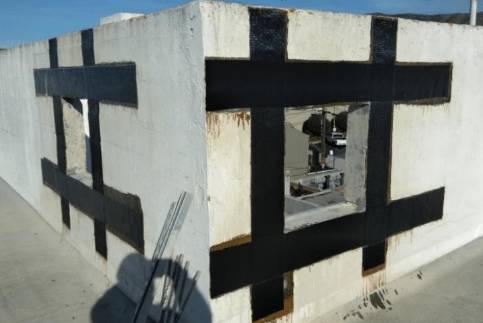
There are also many cases where products are called for which have a tremendous tolerance for high temperatures, because of conditions which they are exposed to. Fiber-reinforced products manage to provide all these characteristics at a very high level, and have already been shown to perform well in applications, such as concrete strengthening and tank liner repairs, where they’ve been used. Perhaps best of all, these highly desirable characteristics can be obtained in products which are far less expensive than the metal-based products which have been most often used, up to this point.
FRP Repairs to infrastructure, linings, and reinforcement
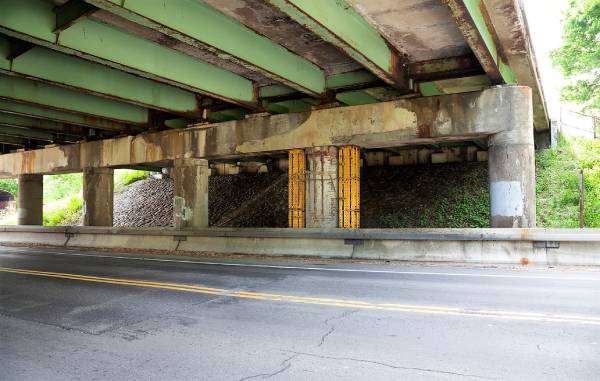
With considerable research and development leading to the creation of some ultra-strong, highly resistant composites such as composite/concrete, a number of bridges have been constructed in the states of Maine, Illinois, and New Jersey which have taken advantage of these new materials. Opportunities have arisen for the fabrication of pre-manufactured stay-in-place (SIP) forms which might formerly have been satisfied by concrete strengthening solutions. The rehabilitation of steel culverts in some areas has been accomplished by the usage of composite liners, which replace culverts degraded by rust, corrosion, and a general weakening of structures.
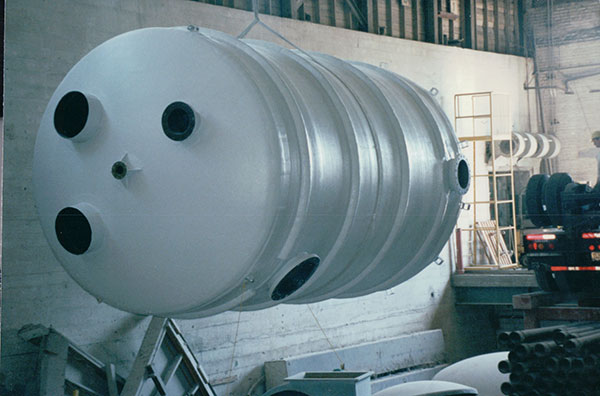
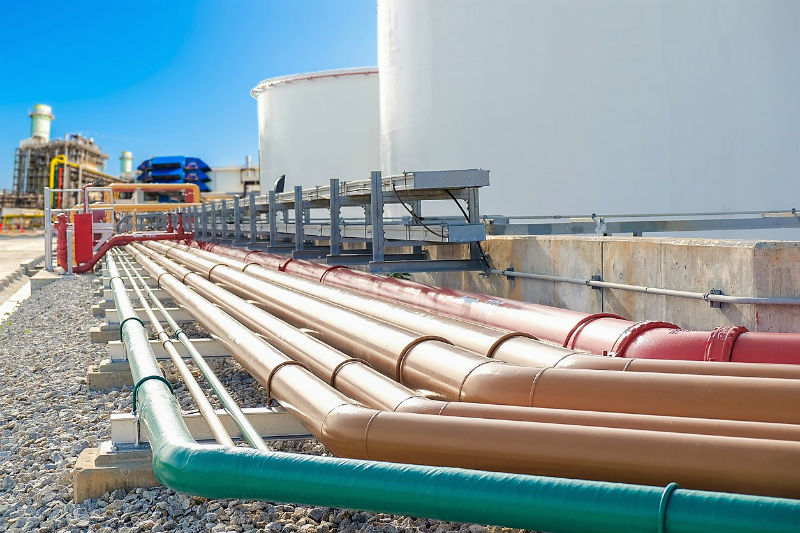
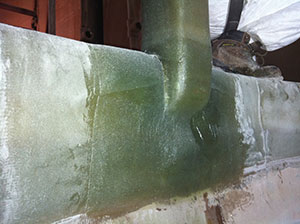
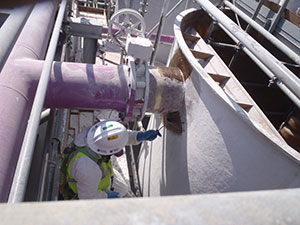
Another very strong market for fiber-reinforced materials is in the area of ducts, piping, and tanks which contain highly corrosive chemicals and other substances. Although this market has been dominated by metal-based products in the past, fiber-reinforced products are beginning to make inroads into the market, as its effectiveness and relatively cheaper cost becomes more widely recognized. This can be particularly useful in specific applications such as bleach transport, which is currently done largely via railway cars. A very viable alternative is emerging in which high-concentration bleach is shipped via FRP-lined cargo trucks which are safer for the environment, and cause less disruption in cities they pass through.
Given the fact that FRP-based products have already proven to provide superior performance, even under some very stressful conditions, and that they are cheaper to use than metal-based products, it seems apparent that the future for FRP-based products is rosy indeed. Further research and development will undoubtedly discover even more capable products, and as these are put to use, a powerful new alternative to metal-based products will gain greater acceptance.

You must be logged in to post a comment.