Facilities Managers Choose FRP Tank Liners For Many Reasons

frp tank lining california nevada

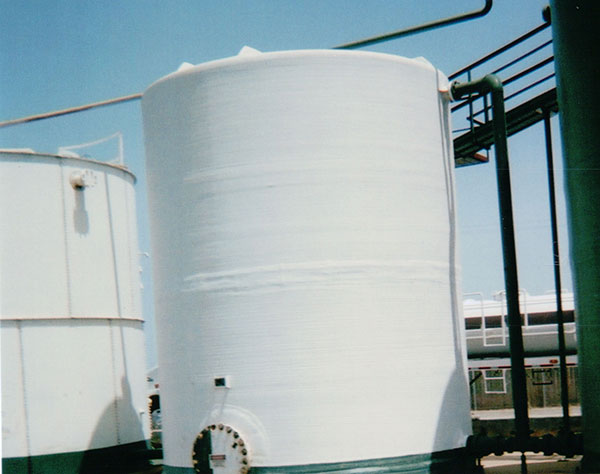
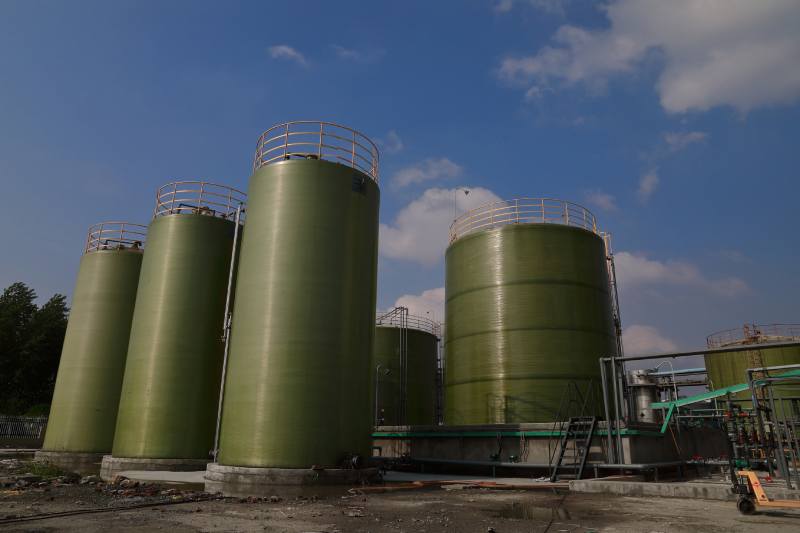
These days, more and more facility owners are choosing to make their tank liners out of fiberglass reinforced plastic, or FRP. FRP is a polymer that is supported with fibers to give it increased strength and longevity. Not only do these fibers help the tank linings better resist corrosion and prevent stress fractures in the tanks themselves, but the liners last far longer than those composed of other materials. When they are installed properly, FRP linings can last for up to 20 years, which of course drastically cuts down on the number of tank repairs that your company will face. Read more »

water tank liner repair

Steel storage tanks are widely used in industrial facilities, commercial properties, water treatment plants, and fire suppression systems. Although steel is strong and durable, prolonged exposure to moisture, chemicals, and environmental conditions can eventually cause corrosion. Over time, corrosion can weaken tank walls, create leaks, and compromise the tank’s ability to safely store liquids. Fortunately, replacing an entire steel tank is not always necessary. In many situations, fiberglass reinforced plastic (FRP) provides an effective solution for restoring and extending the service life of an existing tank.

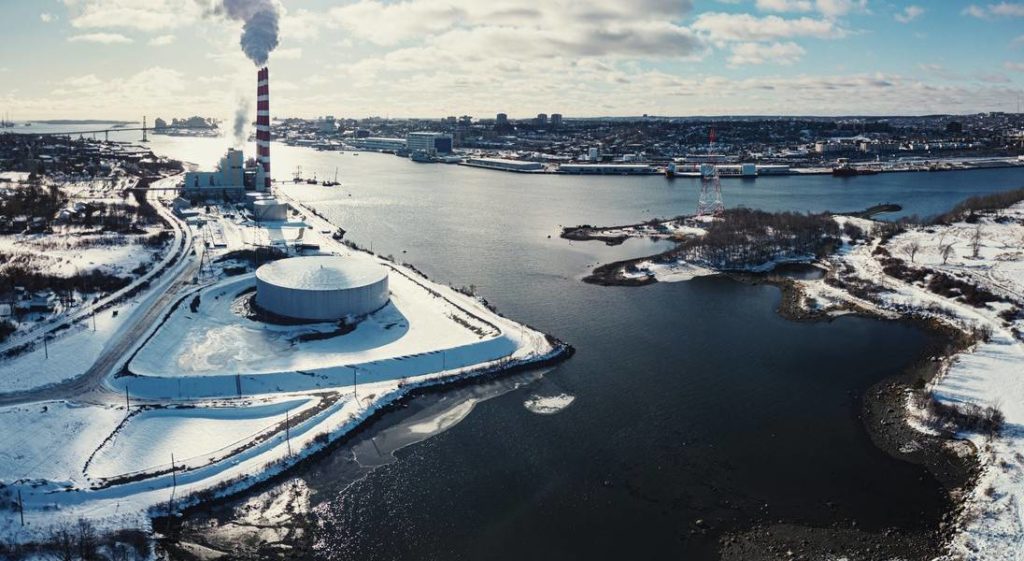
Through professional FRP tank repair, deteriorating steel tanks can often be reinforced and protected using specialized fiberglass systems designed to create a durable, corrosion-resistant barrier. Read more »

Common Water Tank Types and Liners

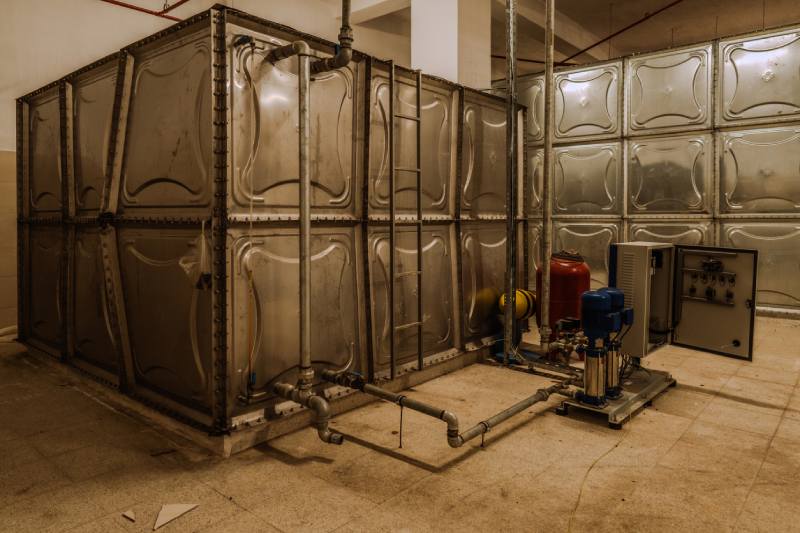
frp water tank fabricationNo matter what type of water tank you are using even small leaks must be addressed quickly to prevent waste and worsening problems. The good news is that a schedule of regular inspections and maintenance can prevent most water tank repairs. Even better news is that most water tanks and water tank liners are designed to last for many years with little or no maintenance. Read more »
Fire Water Tank Inspection

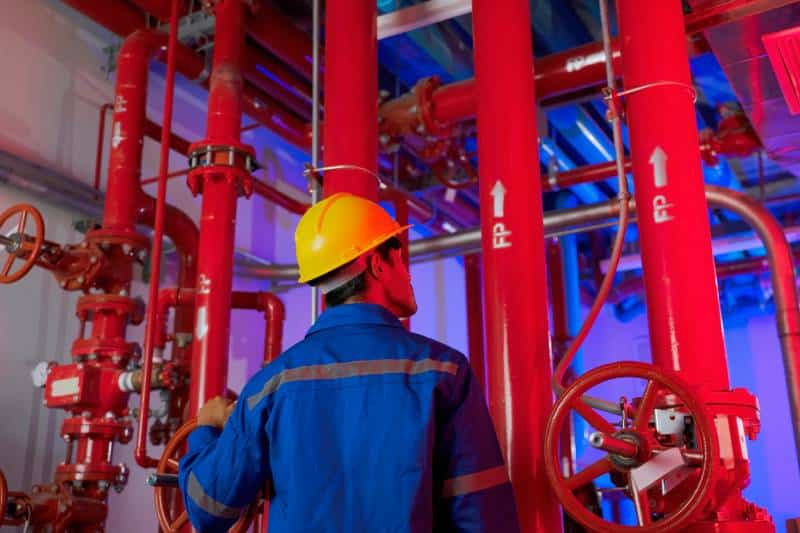
San Francisco’s commercial buildings, high-rises, and industrial properties depend on reliable fire protection systems to help protect occupants and property during emergencies. While the city’s public water infrastructure plays an important role in firefighting, some buildings also require dedicated water storage to ensure their fire suppression systems have an adequate supply when needed. Understanding local fire codes, tank specifications, and maintenance requirements helps property owners keep these essential systems ready for an emergency. Read more »

Commercial Fire Water Tank Maintenance

A commercial fire water tank is a critical part of a building’s fire protection system. In San Francisco, these tanks may supply thousands of gallons of water to sprinkler and fire suppression systems, making regular inspection and maintenance essential. But what actually happens when a fire water tank needs service, and how might the work affect building residents?

What Happens During Fire Water Tank Maintenance?

Maintenance typically begins with a professional inspection of the tank, associated piping, valves, supports, exterior surfaces, and other components. Technicians look for corrosion, leaks, deterioration, sediment buildup, damaged coatings or liners, and other conditions that could affect the tank’s ability to perform during an emergency.

Depending on the tank and inspection requirements, technicians may also need to examine the interior. NFPA 25 establishes inspection, testing, and maintenance requirements for water storage tanks used for fire protection, with some interior inspections generally occurring every five years and more frequently for certain tanks without corrosion protection.

Common Repairs and Rehabilitation

Corrosion and deterioration are among the issues that can require corrective work. Sediment may also need to be removed to keep the tank and connected system functioning properly.

Damaged interior coatings or liners can be another concern. Fire water tank lining repairs can address deterioration while helping protect the underlying tank from corrosion and leakage. Depending on the condition of the tank, rehabilitation may involve surface preparation, liner repair, coating work, sealing, or replacement of damaged components.

For older or deteriorated systems, tank rehabilitation in San Francisco can provide an alternative to replacing an entire tank, depending on its structural condition and applicable requirements. A qualified contractor can determine whether repair or more extensive rehabilitation is appropriate.

How Are Residents Affected?

Maintenance can temporarily affect residents, particularly in high-rise or multi-unit buildings where the fire water tank is integrated into the building’s fire protection infrastructure.

Residents may notice technicians working in mechanical rooms, rooftop areas, or other restricted-access spaces. Building management may also need to provide advance notice if maintenance temporarily affects access, parking, noise levels, or other building operations.

Most importantly, when a fire protection system or portion of it is taken out of service, the impairment should be properly managed and communicated. NFPA requirements include procedures for situations where fire protection is impaired.

How Long Does Maintenance Take?

The timeline varies considerably. A straightforward inspection may take only part of a day, while cleaning, extensive fire water tank lining repairs, or rehabilitation can require considerably more time. Tank size, accessibility, condition, repair materials, curing requirements, and whether the system must be drained can all affect the schedule.

Building owners should ask their contractor for a project-specific timeline before work begins.

How Often Should You Consider Tank Rehabilitation in San Francisco?

There isn’t one inspection interval for every component. NFPA 25 specifies different frequencies for different tank components, including quarterly, annual, and multi-year inspections. For example, interior inspections are generally required every five years for tanks with appropriate corrosion protection and every three years for certain tanks without it.

For tank rehabilitation in San Francisco, working with an experienced contractor can help property managers identify deterioration early, plan repairs, and maintain the reliability of their building’s fire protection system.

Picon FRP, Inc. provides specialized tank lining and repair services for commercial and industrial applications, helping San Francisco property owners address aging and damaged water tanks before problems become more extensive.

frp tanker liner repair

Don’t Forget Tank Repairs, Especially with Hazardous Cargo

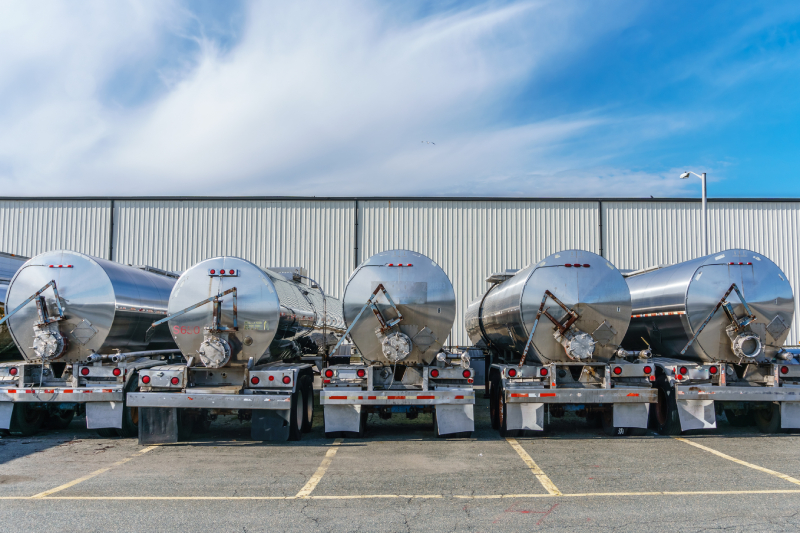
Transporting liquids by road involves much more than putting a tank on a trailer and filling it. Depending on the material being transported, the size and configuration of the tank, and whether the material is classified as hazardous, trucking companies and drivers may be subject to specific licensing, equipment, inspection and safety requirements.

Understanding these requirements is also important for companies responsible for maintaining tanker trucks, liquid storage tanks and other bulk transportation equipment. Proper tank repairs and maintenance can help keep tanks suitable for their intended application and reduce the risk of leaks, corrosion and premature failure. Read more »

Fire Water Tank Inspection

Inspecting Fire Water Tanks and Planning for Tank Liner Repair

Fire water tanks are a vital part of commercial fire protection systems. These tanks must remain structurally sound, watertight, and ready to provide an adequate supply of water when an emergency occurs. Regular inspections and maintenance can identify problems early and help property owners avoid expensive failures. For businesses and building managers in locations such as San Francisco and Reno, professional tank liner repair and maintenance can be an important part of protecting these essential systems. Read more »

fiber reinforced plastic frp tank linings

FRP Tank Linings Are Great But They Aren’t Made For Every Scenario

Fiber reinforced plastic (FRP) tanks are widely used for storing and processing many industrial chemicals because they offer corrosion resistance, durability, and relatively low maintenance requirements. However, FRP is not automatically compatible with every chemical. The resin, reinforcement materials, concentration, temperature, and exposure conditions all affect how a tank will perform. Choosing the right material and professional tank linings is essential for protecting storage equipment and preventing premature failure. Read more »

fire water tank repairs

Domestic Water Tank Repair Timeline

Commercial buildings depend on reliable water storage systems every day, whether for emergency fire protection or supplying potable water throughout the facility. A neglected tank can lead to corrosion, leaks, contamination, and expensive downtime, making routine inspections and timely water tank repairs essential for protecting both the building and its occupants. Understanding how frequently tanks should be inspected and maintained can help property owners avoid costly failures while extending the service life of their storage systems. Read more »

commercial water tanks repairs

Coatings Contractor in the Bay Area – Protecting Tanks

Storage tanks are critical assets for businesses in industries ranging from manufacturing and food processing to municipal water systems and fire protection. Whether the tank holds potable water, industrial chemicals, or wastewater, selecting the proper protective coating is essential for maximizing service life, preventing corrosion, and maintaining safety. An experienced coatings contractor in the Bay Area understands that no single coating works for every application. Instead, professionals evaluate the operating environment, the materials being stored, and the condition of the tank before recommending the most effective solution.

At Picon FRP, Inc., we specialize in inspecting, repairing, and protecting every type of commercial water tank and industrial storage system with durable coating and lining solutions designed for long-term performance.

Epoxy Coatings

Epoxy coatings are among the most common protective systems used inside a commercial water tank. These coatings provide outstanding adhesion to steel and concrete surfaces while creating a durable barrier against corrosion and moisture.

For potable water tanks, specially formulated NSF-certified epoxy coatings are used to ensure the stored water remains safe for consumption. Industrial-grade epoxies are also popular for wastewater systems and many chemical storage applications because they offer excellent resistance to abrasion and a wide range of chemicals.

Polyurethane Coatings

Polyurethane coatings are frequently applied as exterior protective systems because they offer exceptional UV resistance, color retention, and weather protection. While epoxy coatings often provide the primary corrosion barrier, polyurethane topcoats help shield tanks from sunlight, rain, and fluctuating temperatures.

For tanks located outdoors throughout California, combining epoxy primers with polyurethane finishes creates a highly durable coating system that can withstand years of environmental exposure.

Vinyl Ester and FRP Linings

Highly corrosive chemicals often require more than traditional coatings. Vinyl ester resins and fiberglass reinforced plastic (FRP) linings provide superior resistance against acids, alkalis, solvents, and other aggressive industrial chemicals.

Rather than simply coating the surface, FRP systems create a thick structural barrier that can significantly extend the life of aging steel or concrete tanks. These systems are commonly used in chemical processing facilities, wastewater treatment plants, and manufacturing operations where corrosion is especially severe.

Polyurea and Specialized Coatings

Some applications require rapid curing or enhanced flexibility. Polyurea coatings cure quickly and provide outstanding impact resistance, making them useful for tanks that must return to service with minimal downtime.

Other specialty coatings are designed specifically for fuel storage, food-grade processing, high-temperature environments, or highly abrasive materials. An experienced coatings contractor in the Bay Area evaluates each operating condition before recommending these advanced products.

How Professionals Choose the Right Coating for Commercial Water Tanks

Selecting the proper coating involves much more than choosing the most durable product. Professional contractors carefully evaluate several important factors, including:

  • The material stored inside the tank
  • Potable water certification requirements
  • Operating temperature
  • Chemical exposure levels
  • Existing corrosion or substrate damage
  • Steel versus concrete construction
  • Expected service life
  • Maintenance schedules and future inspections
  • Environmental conditions and UV exposure

Before any coating is applied, contractors typically perform a detailed inspection to identify corrosion, pitting, cracks, delamination, or structural concerns. Surface preparation—including abrasive blasting, cleaning, and repairs—is often the most critical step in ensuring the new coating bonds properly and performs as designed.

Proper Installation Is Just as Important as Product Selection

Even the highest-quality coating can fail prematurely if it is applied incorrectly. Surface cleanliness, environmental conditions, coating thickness, curing times, and quality control inspections all play major roles in determining how well a protective system performs over the long term.

That’s why businesses trust experienced specialists rather than attempting repairs with general painting contractors who may lack expertise in industrial tank systems.

Trust Picon FRP, Inc. for Commercial Water Tanks

Whether you operate a commercial water tank, chemical storage system, fire protection tank, or wastewater facility, choosing the right protective coating is essential for long-term reliability. As a leading coatings contractor in the Bay Area, Picon FRP, Inc. provides comprehensive inspections, coating recommendations, FRP lining systems, repairs, and maintenance services tailored to each client’s unique operating conditions. Our experienced team evaluates every project carefully to recommend the most effective solution, helping businesses maximize equipment life, reduce maintenance costs, and protect valuable infrastructure for years to come. Contact Picon FRP, Inc. today to learn more about our professional tank coating and lining services.